“Chi chi chành chành” is a famous rhyme and traditional game among the Vietnamese. The game starts with a person, open their hand widely, everyone sing along a rhyme and put their fingers on that person’s hand:
“Chi chi chành chành
Trái chanh thổi lửa
Con ngựa chết trương
Ba vương ngũ đế
Bắt dế đi tìm
Ù à ù ập!”
When the rhyme ends, the person closes their hand, everybody else must pull back their hands, if not, they might get caught and lose.
It is a simple game, played and enjoyed widely by the Vietnamese youth through centuries. With many variants through time, the rhyme seems to be meaningless. But as historians digged into the rhyme origin, they found out the original rhyme is nothing like the version we know today.
This is the original rhyme:
“Chu chi rành rành
Cái đanh nổ lửa
Con ngựa đứt cương
Ba vương tập đế
Cấp kế đi tìm
Hú tim oà ập”
The first sentence: “Chu chi rành rành”. This is a regional sentence, usually used in central Vietnam, which acts like the opening of an important announcement.
The second sentence: “Cái đanh nổ lửa” represent the first gun shot fired by the French on Son Tra peninsula, Da Nang. This event marked the beginning of French colonization in Vietnam.

The third sentence: “Con ngựa đứt cương” means the horse rein is broken. This represents Vietnam situation after the death of King Tu Duc in 1883, the government was tangled as there was no heir. The kingdom was at risked of being invaded but no way to fight back, like a horse running without a rein.
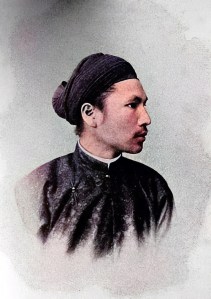
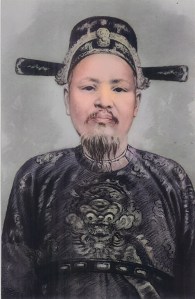
The fourth sentence: “Ba vương tập đế” means 3 kings took turn to lead the kingdom. Less than a year after King Tu Duc’s death (9-1884), King Hiep Hoa, Kien Phuc and Ham Nghi took turn to lead the kingdom.
The fifth sentence: “Cấp kế đi tìm” means hurrying to search. This addressed the searching for Ton That Thuyet who attacked Kham Su palace and Mang Ca fort in Hue (1885-5-22). But he failed and fled with King Ham Nghi. The French hurriedly began a search for them to ease the Vietnamese anger.
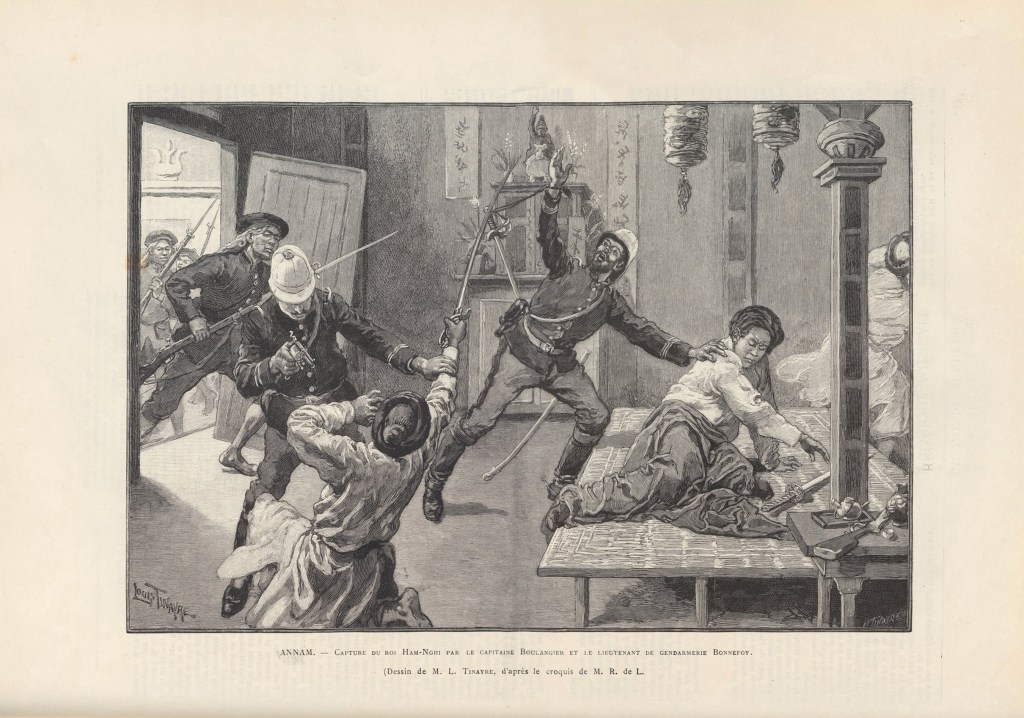
The last sentence: “Hú tim oà ập” means surprisingly caught. This addressed the betrayal of Truong Quang Ngoc and some other people who travelled with King Ham Nghi. They leaked Ham Nghi’s location and at midnight 1888-9-26, the King was arrested in his shelter (Ta Bao village, Quang Binh province) while sleeping.
There are so much more theories and arguments about the origin of the rhyme. Behind a simple traditional game, there are so much meanings that we haven’t known. Follow us for more articles like this.

 Half-conscious